

The Chainguard alternative that fixes your existing images
Chainguard only gives you clean images when you move to their catalog. Aikido cleans up the images you already use, without migrating, all with backported fixes, stable versions, and fewer CVEs.


Three areas where Chainguard falls short but Aikido doesn’t.
Chainguard's fix is a migration.
Chainguard replaces your images with its own catalog. Aikido hardens the Debian, Ubuntu, and Alpine images you already run.
Chainguard's treadmill never stops
Maintaining CVE free images on Chainguard means rolling forward to new digests. Aikido backports the fix to your newest version.
Chainguard sells security parts
Chainguard hands you artifacts and relies on someone else's scanner. Aikido shows you which images are risky, then fixes them.
Aikido Hardened images explained in under 5 minutes.
Aikido creates CVE-free container images at an unprecedented pace, enabling you to fix vulnerabilities for all projects without risking any breakage
Secure your images, today
Aikido creates CVE-free container images at an unprecedented pace,
enabling you to fix vulnerabilities for all projects without risking any breakage.
See Aikido in action
Enter your work email to view the video
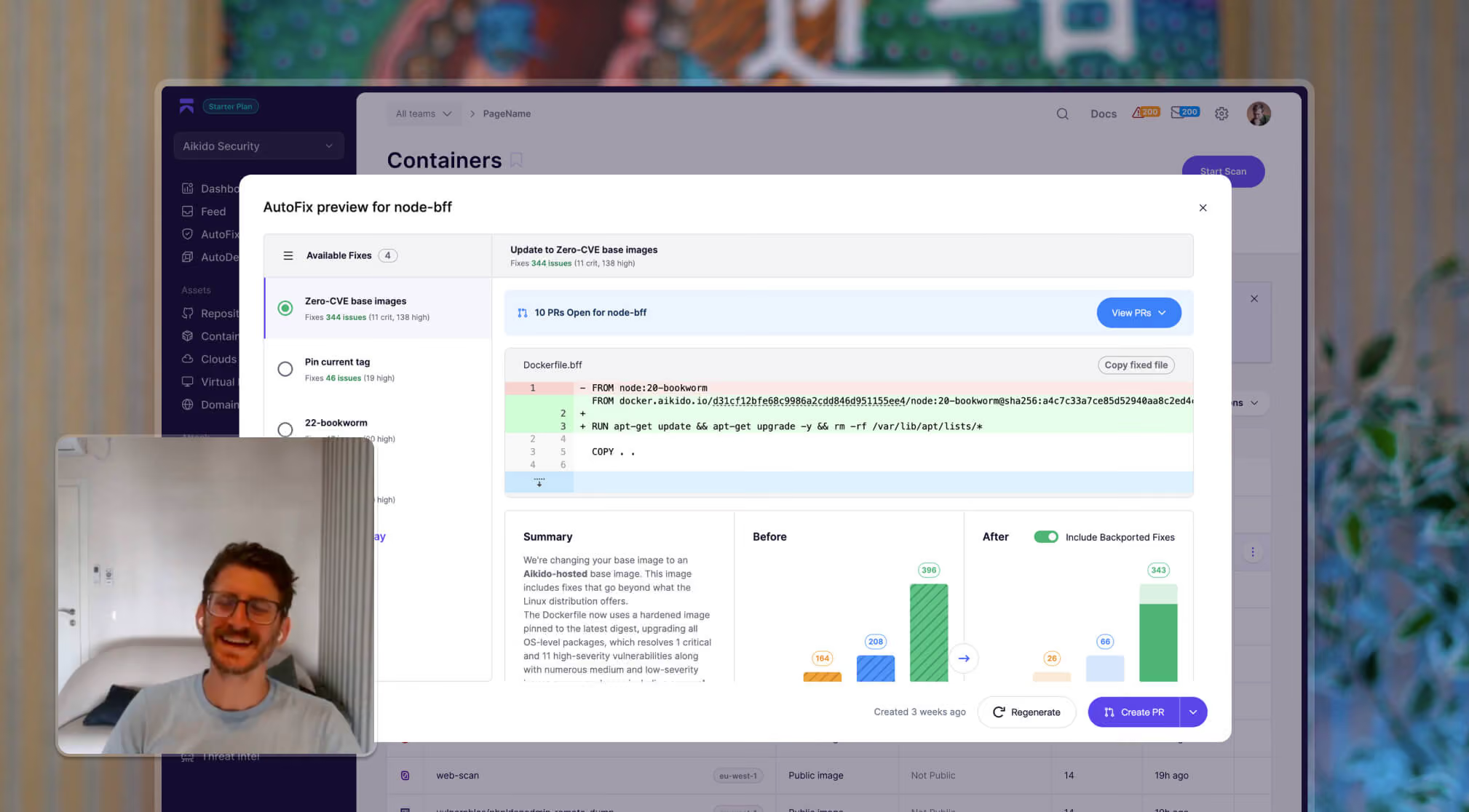
Aikido vs Chainguard


- Base image and distro
- Re-platform required
- Version handling
- Upgrade cadence
- Image variant coverage
- Works with your existing stack
(Debian, Ubuntu, Alpine and more) - No
- Keep your pinned versions, fixes backported
- On your schedule, no forced upgrades
- The images you already run, plus a hardened catalog
- Requires full migration to Chainguard catalog and distro
- Yes, migrate to their catalog
- Default tracks latest; older versions via paid LTS
- Move to latest, or move to a paid LTS lane
- Curated catalog (free tier latest-only)
- Dependency language coverage
- Dependency fix model
- Broad: npm, PyPI, Maven, Gradle, Go, NuGet, RubyGems, ...
- Fix the vulnerable dependency, with AI Autofix
- Chainguard Libraries: Python, Java, JavaScript only
- Rebuilt-from-source replacement packages you pull in
- Static Code Analysis (SAST)
- SCA
- DAST & AI Pentesting
- Secrets scanning
- IaC scanning
- CSPM
- Runtime protection
- No
- No
- No
- No
- No
- No
- No
- Finds what is broken in your stack
- AI Autofix
- Yes, across code, dependencies, containers, and cloud
- Yes, unlimited
- No, ships clean artifacts but does not scan your environment
- Regenerate from source, not in-place fix
- Provenance and compliance
- Scanner and workflow fit
- SBOM, SOC 2 and ISO tracking, FedRAMP in progress*
- Connect repos, scan in 32s, no migration
- SBOM and provenance, SLSA L3, FIPS 140-3
- Parallel secure registry to standardize on

"Aikido's biggest value is that we stopped thinking about CVEs. They just vanish and our developers don't even notice."
Diogo RaposaApplication Security Engineer at BigID

In just 45 minutes, we onboarded 150+ developers with Aikido.
Marc LehrHead of Customer Engagement & Digital Platform
Get your images to zero known CVE's
Code, cloud, runtime, and hardened base images in one platform. Start for free, scan in 30 seconds.

